

Quick answer
The best snorkeling near Airlie Beach requires boat access to island fringing reefs: Blue Pearl Bay on Hayman Island, Luncheon Bay and Maureen's Cove on Hook Island, and Manta Ray Bay on Hook Island deliver consistent coral gardens and fish populations within 90 minutes by tour vessel. Visibility peaks between 08:00 and 16:00 during calm weather, typically April through October. Outer Barrier Reef platforms like Hardy Reef and Bait Reef sit two hours offshore and offer deeper water clarity but require full-day excursions.
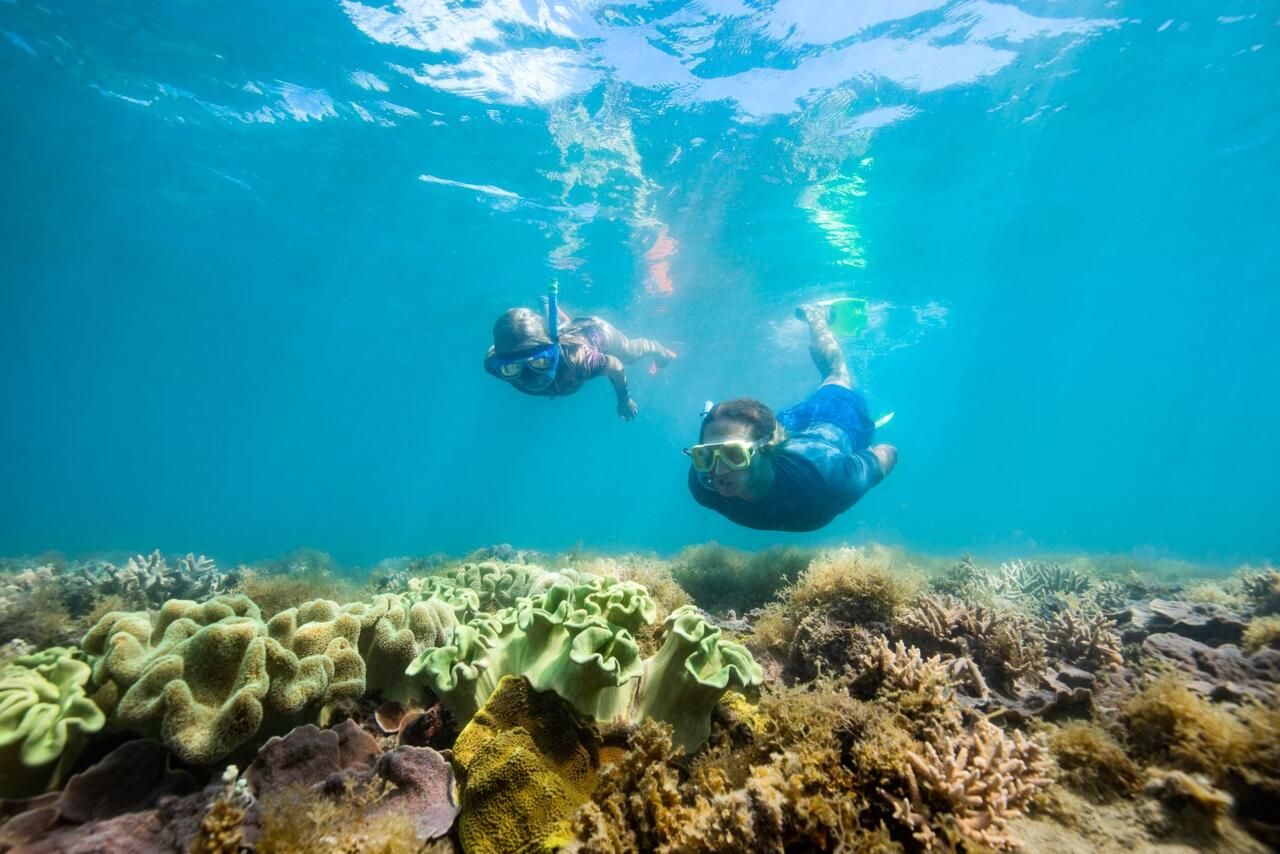
Airlie Beach itself fronts muddy tidal flats that cloud nearshore visibility year-round—snorkelers who stay on the mainland miss the region's defining feature. The Whitsunday Islands National Park protects 32,000 hectares of fringing reef habitat, and boat-based day trips launch every morning from Abel Point Marina, three kilometers south of central Airlie Beach. Tour operators cluster departures between 08:00 and 09:00 to maximize daylight over the reefs and return before tidal shifts reduce clarity. Blue Pearl Bay on Hayman Island delivers the most photographed snorkel conditions: staghorn coral bommies rise within two meters of the surface, and parrotfish, wrasse, and Maori wrasse patrol the shallows. The bay's western exposure shelters it from prevailing southeast trade winds, keeping surface chop minimal from May through September. Luncheon Bay and Maureen's Cove on Hook Island sit 60 minutes northeast of Airlie Beach and feature hard coral slopes that drop to eight meters, where green sea turtles forage on algae beds. Both sites anchor inside Whitsunday Islands National Park marine zones, which prohibit fishing and limit vessel speeds—fish populations remain dense and habituated to snorkelers. Outer Barrier Reef platforms like Hardy Reef lie 70 kilometers offshore, accessible only via high-speed catamaran on full-day itineraries. These sites deliver 20-meter visibility and pelagic species—reef sharks, eagle rays, and schooling trevally—but swell and current make them unsuitable for novice snorkelers. Most visitors prioritize island fringing reefs for their shelter, shallow depth, and shorter transit. When evaluating airlie beach where to snorkel, match your experience level to the site's exposure and current profile, not promotional photos. Seasonal northeast monsoons between December and March bring afternoon storms and sediment runoff that cut visibility across all Whitsunday snorkel zones. April marks the return of stable conditions, and the winter dry season from June through August produces the clearest water and calmest seas. Tour vessels operate year-round under marine park permits, but reef quality follows the weather calendar—timing the visit to the dry season removes most variables.
“Blue Pearl Bay's staghorn coral bommies rise within two meters of the surface, and parrotfish, wrasse, and Maori wrasse patrol the shallows.”
Optimal Timing for Airlie Beach Where to Snorkel
The best arrival window for snorkeling excursions is 08:00–16:00, as this period offers the most favorable visibility and tidal conditions for exploring the Whitsunday Islands. Planning your visit within this timeframe ensures you have sufficient daylight for boat-based access to the reefs.
September to November
Moderate crowdsDry, 24°C–29°C; calm seas provide clear visibility.
These months provide stable weather and water clarity for reef exploration.
December to March
High crowdsHumid, 25°C–31°C; seasonal marine stingers present.
Warmer water temperatures prevail, though this is the tropical wet season.
April to August
Moderate to highMild, 19°C–26°C; pleasant breezes and low rainfall.
Cooler air temperatures make for comfortable conditions during longer boat journeys.
Weekday mornings
Low to moderate—
Early departures often coincide with ideal tidal flow for snorkeling.
Verdict: The most favorable time for snorkeling is between April and October, specifically during the 08:00–16:00 arrival window to maximize water visibility and tidal conditions.
Top Destinations for Airlie Beach Where to Snorkel
The Whitsunday Islands offer diverse snorkeling environments ranging from fringing reefs to sheltered coves. Access to these locations is typically provided via boat excursions departing from Airlie Beach.
Hook Island
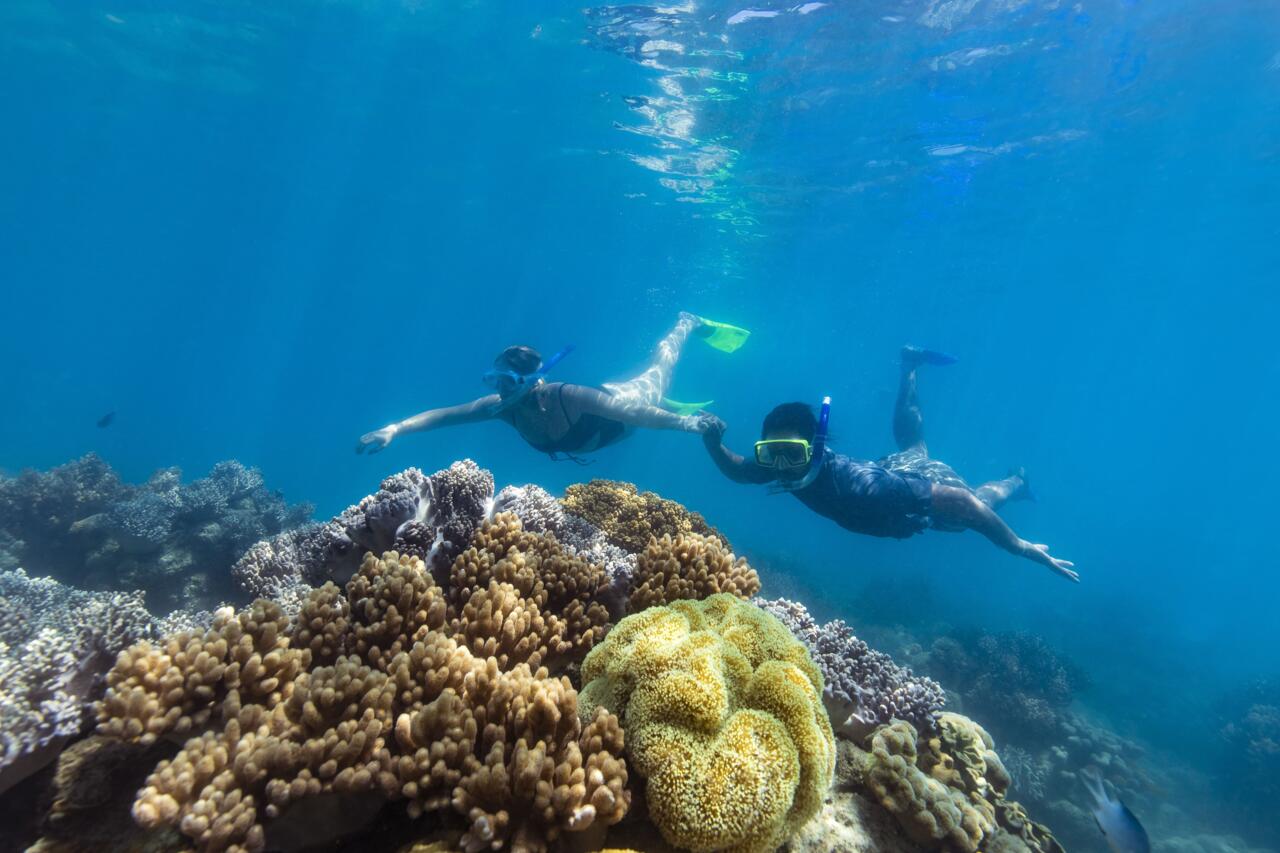
Known for sheltered bays like Butterfly Bay and Luncheon Bay, this island offers extensive fringing coral reefs. Diverse marine life often includes schools of fusiliers and occasionally turtles.
Visit during low tide for clearer views of shallow corals.
Border Island
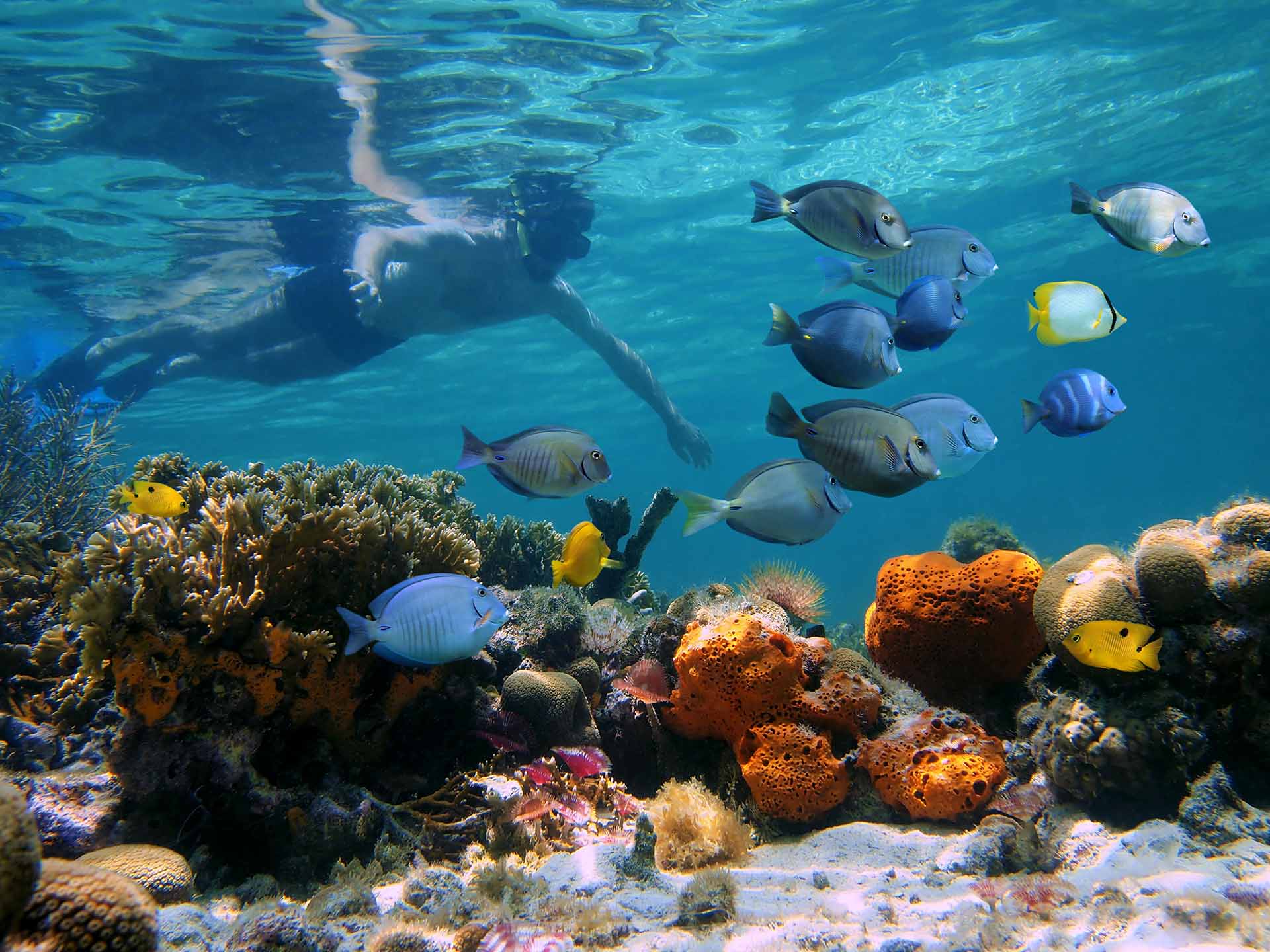
This site is protected within the marine park, resulting in clear waters and well-preserved hard coral gardens. The rocky coastline creates a habitat for a variety of reef fish.
Swim near the northern side for optimal reef health.
Manta Ray Bay
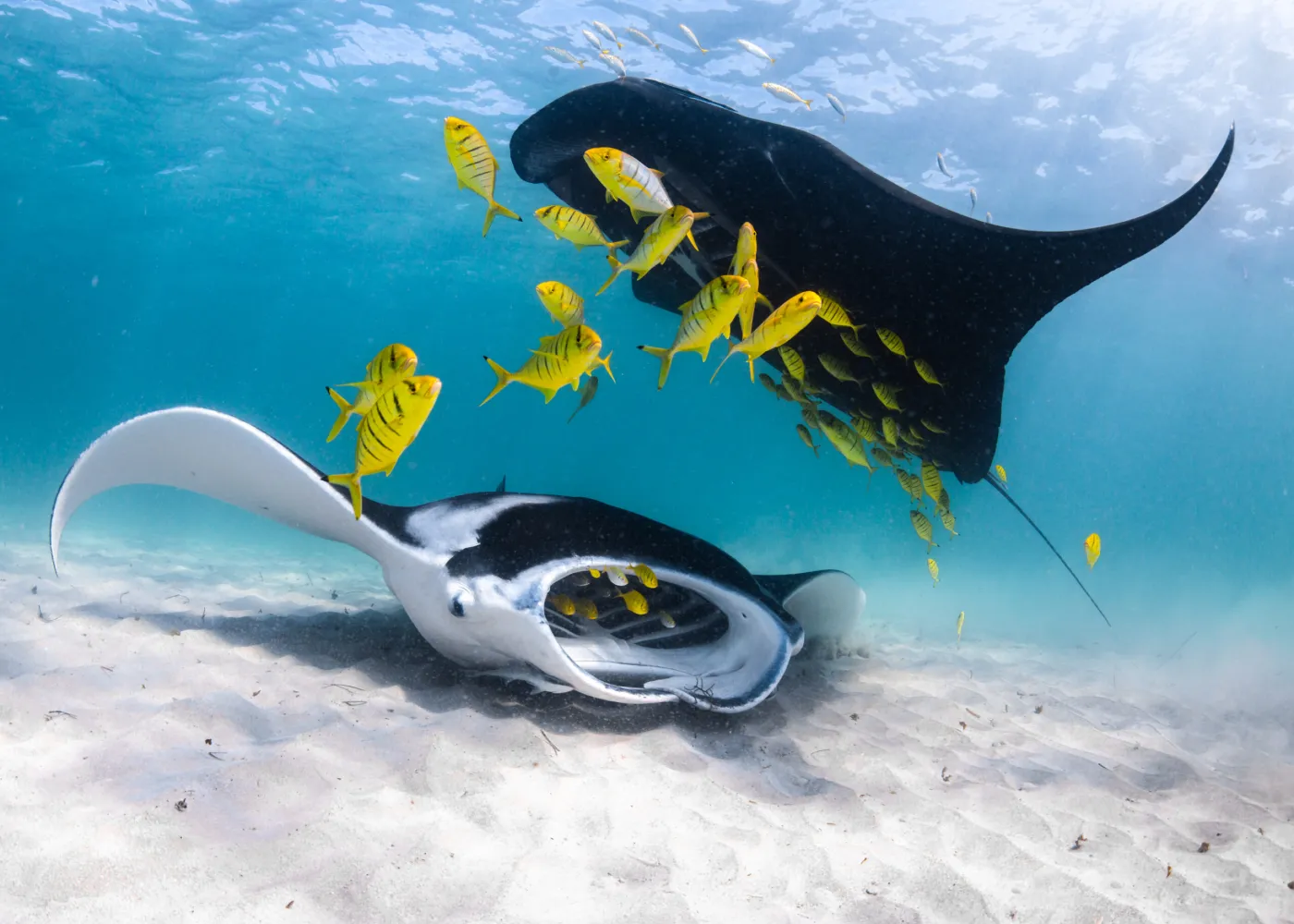
Located off the northern tip of Hook Island, this site is named for the seasonal presence of manta rays. It features a rugged underwater landscape with deep crevices and boulders.
Look for rays near the deeper drop-off zones.
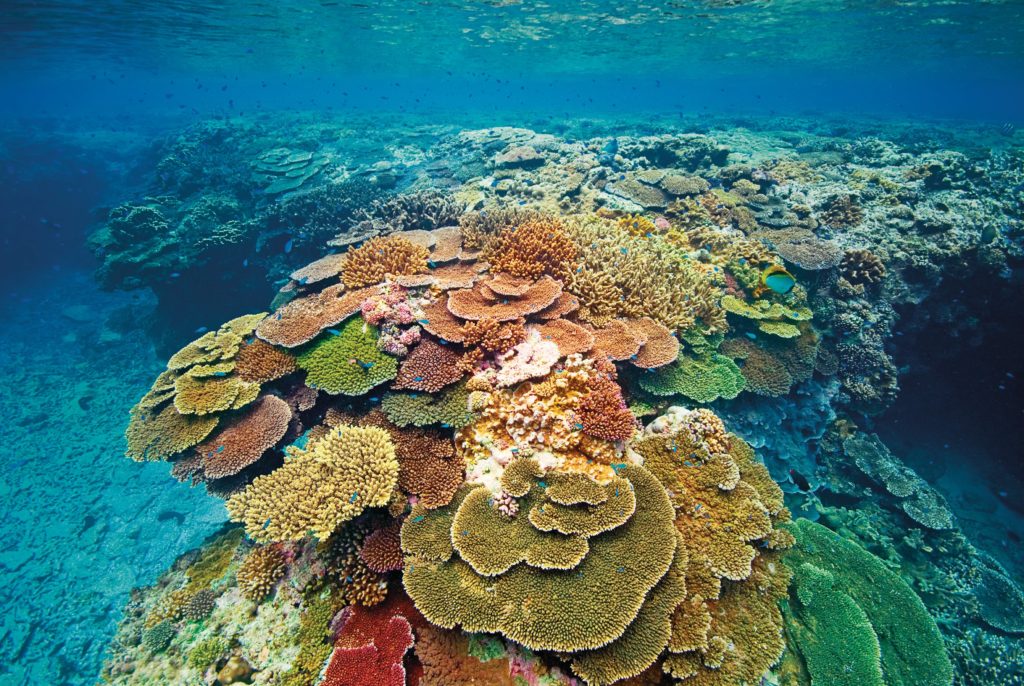
Blue Pearl Bay
Situated on the northern side of Hayman Island, this bay is recognized for its vibrant coral density and calm conditions. It is a common destination for observing giant Maori wrasse.
Enter from the beach to access the inner reef.
How to Reach Airlie Beach Where to Snorkel Sites
The snorkeling sites within the Whitsunday Islands National Park are located offshore and require boat access. Most excursions depart directly from the marinas in Airlie Beach.
Departure from Coral Sea Marina
Departure from Port of Airlie
Shute Harbour Road to Airlie Beach
Costs for Airlie Beach Where to Snorkel
Entry to the Whitsunday Islands National Park is free of charge. Visitors must account for costs related to boat-based transport or tour providers to reach snorkeling locations.
While the park entry is 0 AUD, visitors typically pay for commercial boat transport, which varies based on the operator and tour inclusions.
Essential Gear for Airlie Beach Where to Snorkel
Whitsunday snorkeling requires marine-specific gear and sun protection to ensure comfort and safety in tropical waters.
-
Pack or rent a stinger suit — Jellyfish are present November–May; full-body suits prevent stings.
-
Bring reef-safe SPF 50+ sunscreen — UV reflection off water intensifies burn risk; chemical sunscreens damage coral.
-
Confirm your snorkel tour booking — Most reef sites require boat access; walk-in spots are limited during peak season.
-
Carry a rash vest or wetsuit — Provides sun protection and thermal comfort in cooler months (June–August).
-
Pack an underwater camera in waterproof housing — Visibility reaches 20+ meters at outer reef sites; document marine life safely.
-
Wear secure-fit fins and a well-sealed mask — Currents near reef edges demand proper propulsion; poor seals flood masks and end dives early.
Operating Hours for Airlie Beach Where to Snorkel Access
The Whitsunday Islands National Park is accessible 24 hours a day, 7 days a week. Visitors should plan snorkeling excursions to align with daylight hours for safety and visibility.
| Monday | 00:00–23:59 | Open 24 hours |
|---|---|---|
| Tuesday | 00:00–23:59 | Open 24 hours |
| Wednesday | 00:00–23:59 | Open 24 hours |
| Thursday | 00:00–23:59 | Open 24 hours |
| Friday | 00:00–23:59 | Open 24 hours |
| Saturday | 00:00–23:59 | Open 24 hours |
| Sunday | 00:00–23:59 | Open 24 hours |
Check availability
Frequently asked questions about airlie beach where to snorkel
Everything you need to know about airlie beach where to snorkel